

The year 2026 has made an important reality in the luxury automotive world even more visible: the electric future is still strong, but this transition is no longer moving as a one-way and rapid transformation. Brands such as Bentley, Jaguar, Range Rover, Lincoln and Maybach are maintaining their electric vehicle visions while also reading hybrid solutions, long-distance expectations, charging infrastructure, battery supply and user habits in different markets more carefully.
A few years ago, the main message in luxury automotive was very clear: the premium vehicles of the future would be fully electric. By 2026, however, the market has moved to a more balanced point. Users in the luxury segment are not only looking for new technology; they also expect comfort, prestige, long-distance confidence, silence, range, service access, suitability for their driving habits and a strong sense of quality.
For this reason, the main topic of luxury automotive in 2026 cannot be explained only by saying “electric vehicles are rising.” A more accurate statement would be: luxury brands are establishing a new balance between the electric future and the hybrid reality. Bentley is exploring how the electric future should feel in terms of design and prestige. Jaguar is trying to redefine electric luxury with an entirely new brand language. Range Rover continues its electric transformation while not ignoring hybrid demand. Lincoln is strengthening its comfort-focused hybrid SUV approach. Maybach stands out as one of the examples showing that electric ultra-luxury is truly possible.


The main question for luxury automotive in 2026: fully electric or more flexible?
The electric transformation in luxury automotive has not reversed; on the contrary, it remains at the center of brands’ long-term strategies. However, the issue that has become clearer as of 2026 is that this transition is not progressing at the same speed for every brand and every customer group. Especially for upper-segment users, an automobile is not merely a means of transportation. A luxury car is a combination of expectations around status, comfort, trust, material quality, silence, personalization and seamless use.
Fully electric vehicles can respond strongly to a significant portion of these expectations. Silent driving, instant torque, low vibration, an advanced software experience and next-generation cabin technologies are among the advantages of electric luxury vehicles. However, long-distance planning, charging infrastructure, battery supply, different climate conditions and user habits still affect brand strategies.
For this reason, a more realistic picture is emerging in luxury automotive in 2026. Brands continue to develop their electric models; however, they also do not view hybrid and plug-in hybrid options as purely temporary solutions. Especially in the SUV segment, hybrid solutions are becoming a reassuring intermediate formula for luxury users.
Bentley EXP 15: a design rehearsal for electric luxury
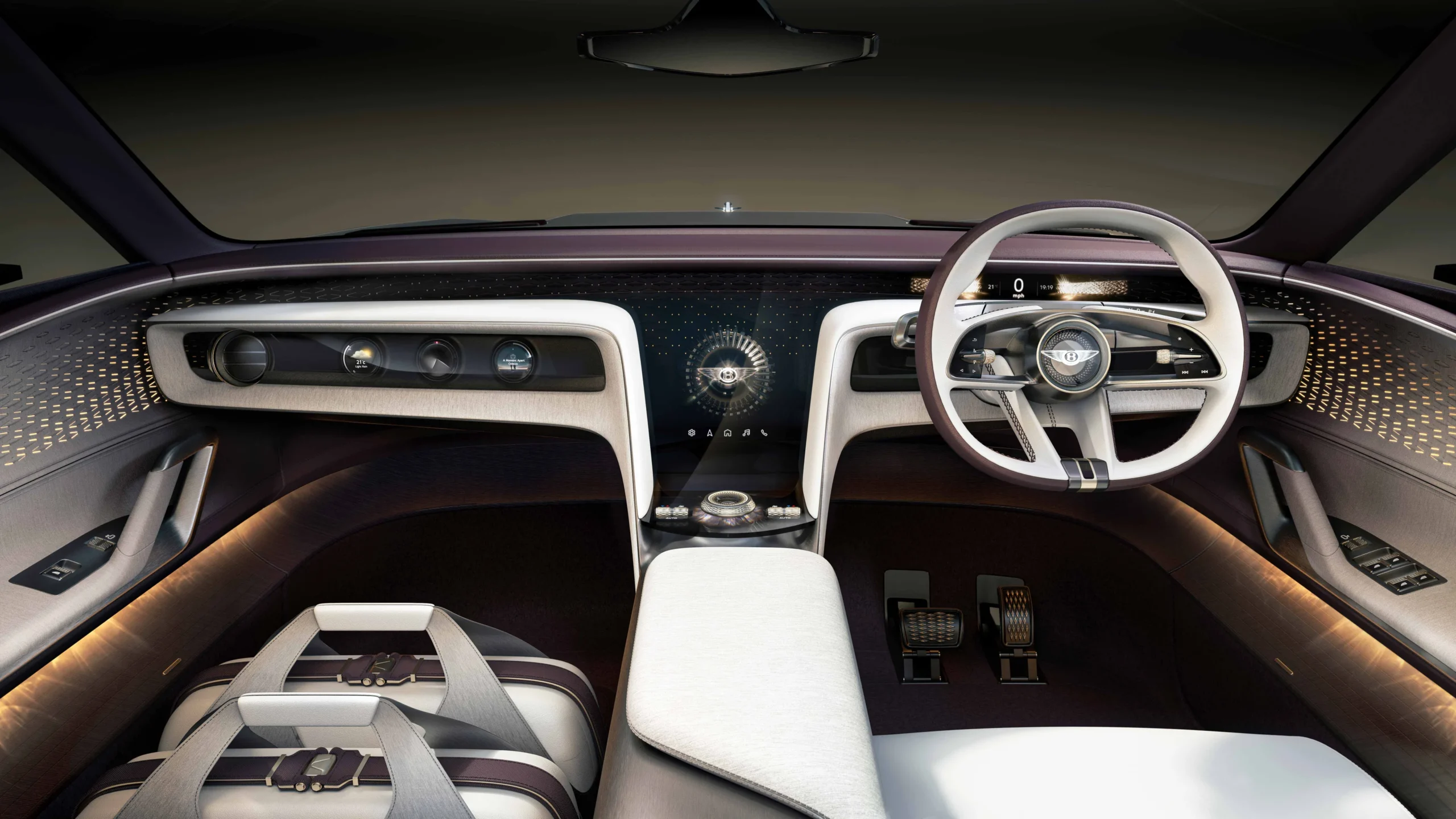
With the EXP 15 concept, Bentley showed that it approaches the electric future not only from a technical perspective, but also in terms of design and brand identity. Although the EXP 15 is not presented directly as a production model, it carries strong clues about the design language, cabin approach and luxury understanding Bentley may use in its future electric models.
For Bentley, the issue is not only replacing an internal combustion engine with an electric motor. The brand’s real goal is to preserve the Bentley feeling in an electric car as well. This feeling is created through a long bonnet line, a powerful stance, a high perception of quality, a quiet cabin, special materials, craftsmanship, comfort and a sense of prestige.
One of the striking aspects of the EXP 15 is its attempt to combine the past and the future in the same design. Proportions that refer to Bentley’s historic Grand Tourer heritage are considered together with modern lighting technologies and a new surface language suitable for an electric powertrain. This approach shows that a luxury electric car should be not only a technological product, but also an emotional one.
This detail is very important in the luxury segment. Because a premium user does not only want an efficient vehicle; they want the vehicle to feel special. The story Bentley tells with the EXP 15 is exactly this: even when the electric future arrives, the character, design and ritual of the luxury automobile must be preserved.
Maybach EQS SUV: is electric ultra-luxury possible?
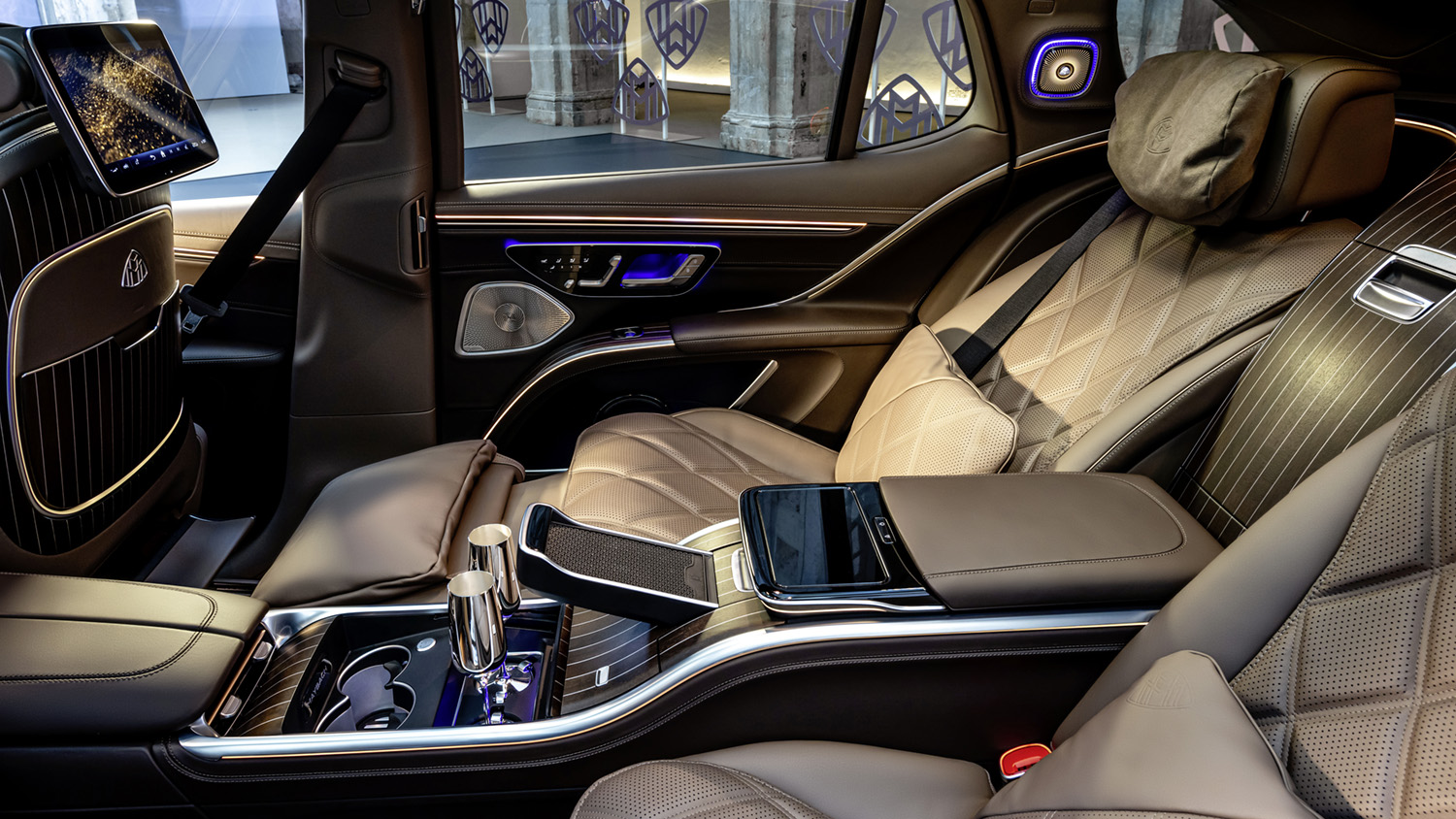
The Mercedes-Maybach EQS SUV stands out as one of the most concrete examples of electric ultra-luxury. The Maybach brand has long been known for rear-seat comfort, silence, refined materials, special details and a high perception of prestige. The EQS SUV interprets this approach on a fully electric platform.
Here, the electric powertrain becomes a natural advantage for Maybach. Silent driving, smooth acceleration, low vibration and a digital cabin experience create a foundation that fits Maybach’s comfort-focused character. For this reason, the idea of an electric Maybach does not contradict classic luxury expectations; instead, it reinforces them.
However, the Maybach EQS SUV also shows another reality: electric luxury cannot be sold only through range or charging power. In this segment, the cabin experience, rear-seat comfort, sound insulation, digital screens, personalization options, material selection and the special atmosphere created by the brand are at least as important as technical figures.
In this respect, Maybach represents not the “rational” side of electric transformation in the 2026 luxury automotive agenda, but the “emotional and experiential” side. Electric vehicles are not only environmental or technological; when interpreted correctly, they can also carry the highest level of luxury experience.
Jaguar: searching for a new identity in electric luxury
Jaguar enters 2026 in luxury automotive with one of the most radical transformation stories. With the Type 00 concept, the brand introduced not only a new car design, but an entirely new brand language. This design approach shows Jaguar’s goal of becoming a more upscale, more assertive, more selective and more design-focused electric brand in the future.
This transformation by Jaguar may be surprising for some users. For many years, the brand was associated with sporty sedans, elegant coupe lines and the British automotive tradition. However, the new language introduced with Type 00 does not directly repeat the classic Jaguar perception; instead, it tries to transform it into a completely different vision of electric luxury.
This strategy has a strong side as well as a risky one. Differentiation in luxury automotive is becoming increasingly difficult. As electric platforms become widespread, the risk that brands become technically similar to one another increases. For this reason, design, brand language and the feeling given to the user become more decisive. Jaguar takes a bold position in this area with Type 00.
From a 2026 perspective, Jaguar’s story shows that electric transformation is not merely a change of engine. For some brands, this transformation also means rebuilding the brand identity.
Range Rover: between electric transformation and hybrid reality
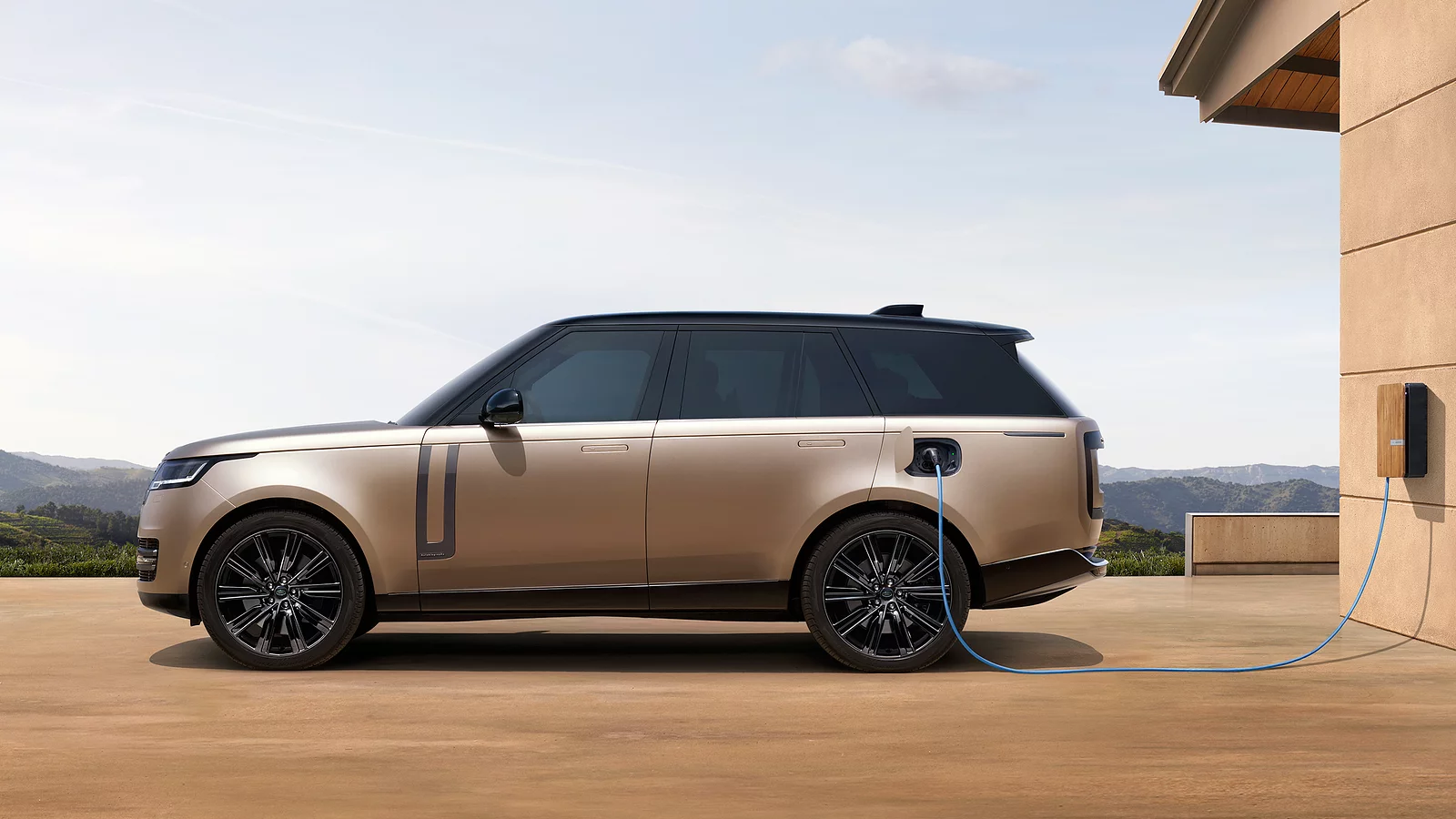
For Range Rover, the most striking topic of 2026 is that preparation for a fully electric future and hybrid demand are on the agenda at the same time. Range Rover Electric is expected to be an important model representing the brand’s electric transformation in the luxury SUV segment. However, recent developments on the JLR side show that hybrid options have regained a stronger place in the strategy.
The reason is simple: the Range Rover customer generally does not look only at technology. Long-distance comfort, confidence on different surfaces, traction capability, a high seating position, a quiet cabin, service network and strong brand perception are very important for this user group. A fully electric Range Rover can meet many of these expectations; however, charging infrastructure, battery supply and user habits in different markets make the strategy more complex.
Therefore, JLR’s move to increase hybrid production does not mean it has given up on the electric future. Rather, it means managing the transition period more flexibly. In the luxury SUV segment, users do not want a single type of solution. Some are ready for fully electric driving, while others see the hybrid option as a safer intermediate step.

Lincoln: the luxury SUV equivalent of hybrid comfort
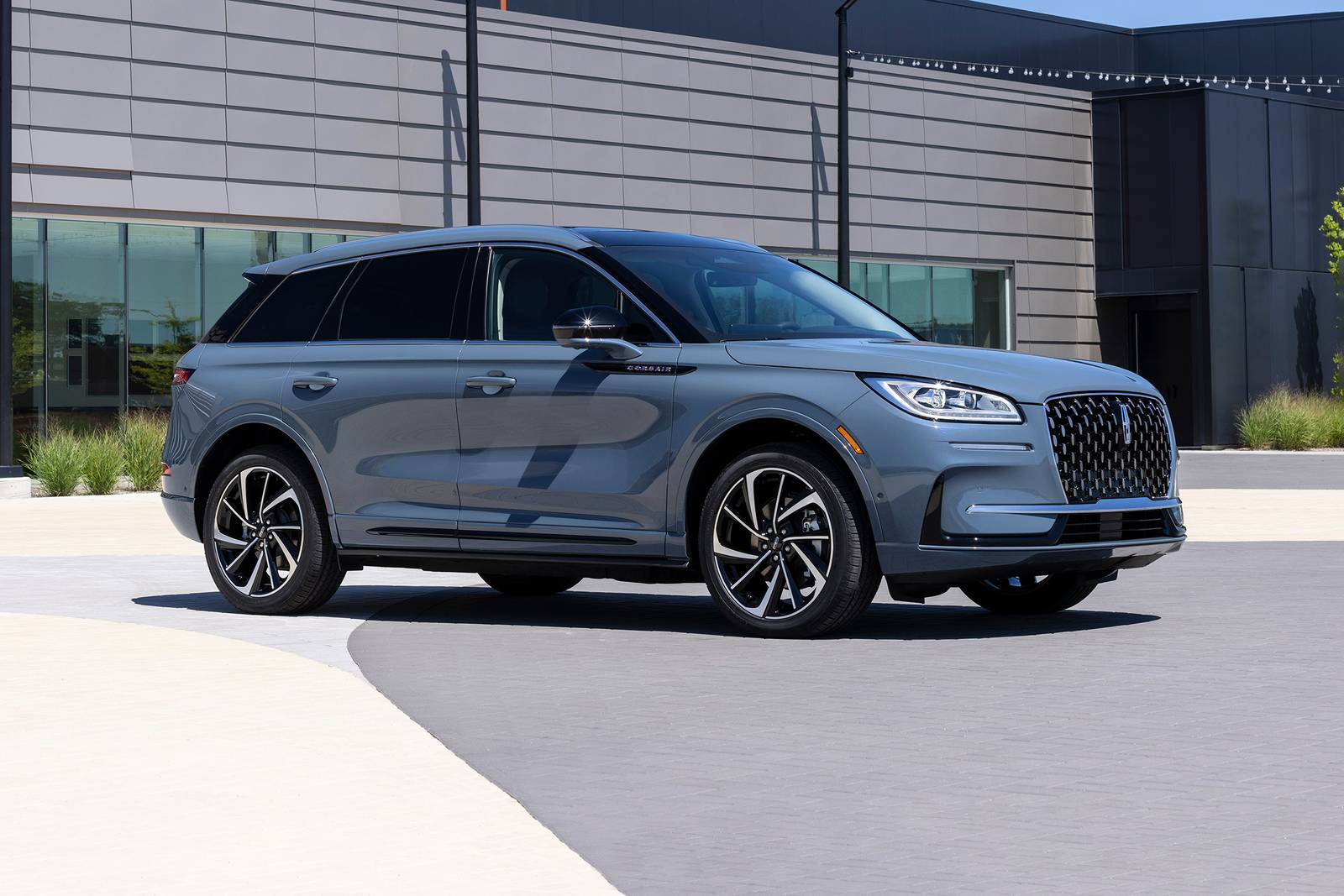
Lincoln is one of the brands representing the hybrid approach in the luxury SUV segment in 2026 in a calmer and more user-focused way. Models such as the Lincoln Nautilus Hybrid and Corsair Grand Touring offer a logical intermediate solution for users seeking electrically assisted comfort before moving to a fully electric transformation.
What Lincoln emphasizes here is not a performance race, but comfort, silence and ease of everyday use. Hybrid systems can provide more efficient use in the city while offering fuel flexibility on long trips. This is important especially for premium users who drive across wide geographies, are not sure about charging infrastructure or want more time before switching to a fully electric vehicle.
This is also why hybrid systems remain strong in luxury automotive. Hybrid vehicles give users both the feeling of electrically assisted driving and the security of traditional fuel infrastructure. For brands such as Lincoln, hybrid solutions can therefore be considered not just a temporary technology, but a comfort strategy aligned with customer expectations.
Why is hybrid still strong in the luxury segment?
Hybrid systems maintain a strong position in luxury automotive, especially in the SUV segment. There are several reasons for this. First, users of large-bodied SUVs expect long-distance ability and high comfort. A fully electric SUV can offer a very strong experience with the right charging infrastructure; however, this infrastructure is not developing at the same pace in every market.
Second, luxury users generally want to evaluate their vehicles in different usage scenarios. Use cases such as quiet and efficient city driving, weekend long-distance trips, holiday routes, winter conditions, mountain roads or cross-country travel still make hybrid models attractive.
Third, hybrid systems offer a psychologically lower transition risk. Users experience electrically assisted driving while not remaining fully dependent on charging infrastructure. For this reason, in 2026, hybrid models are seen not as competitors to electric transformation, especially in the premium SUV segment, but as complements to the transition process.

How is luxury vehicle ownership changing in 2026?
The 2026 luxury automotive agenda shows that vehicle ownership can no longer be explained only by a brand logo or engine power. In the new era, luxury vehicle ownership is evaluated together with technology, comfort, sustainability, software experience, long-distance use and safety preparedness.
Brands such as Bentley are trying to preserve craftsmanship, prestige and a special design feeling even in the electric future. Maybach brings rear-seat comfort and the ultra-luxury experience to the forefront in an electric SUV. Jaguar is building a completely new electric identity. Range Rover is trying to balance electric and hybrid solutions within the same strategy. Lincoln offers hybrid comfort through a calmer, more usable and more accessible premium SUV experience.
This diversity shows that luxury automotive is not moving in a single direction. Some users will quickly adapt to the fully electric future. Some will find hybrid options safer and more flexible. Others will still prefer traditional engine options while wanting to benefit from the comfort and safety equipment offered by technology.
Therefore, the real message of 2026 is this: the winner in luxury automotive will not be only the brand that offers the newest technology. The brand that reads customer expectations most accurately and brings electric and hybrid solutions together with real usage habits will stand out.
Why is safety preparedness becoming more important in premium vehicles?
Luxury vehicles may include advanced driver assistance systems, adaptive suspensions, intelligent headlights, digital cockpits and advanced connectivity technologies. However, this equipment does not completely eliminate the basic risks that can be encountered on the road. Tire problems, nighttime breakdowns, heavy rain, loss of visibility, minor accidents, sudden stops or long-distance fatigue are among the situations every vehicle owner may face.
Safety preparedness in electric and hybrid vehicles should be considered a little differently. Charging planning, battery level, air temperature, road gradient and vehicle load can affect the travel experience. Especially on long trips, the driver should not rely only on the vehicle’s digital systems; physical preparedness should also be completed.
Luxury vehicle ownership is completed not only by the comfort and prestige of the car, but also by the driver’s conscious preparedness. A warning triangle, safety vest, first aid kit, flashlight, emergency light, tow rope and basic vehicle equipment are essential items that should be found in every vehicle, whether it is a Bentley, Jaguar, Range Rover, Lincoln or Maybach.
German Kupfermax approach
For German Kupfermax, premium vehicle ownership is not explained only by the vehicle’s brand or equipment level. A truly premium driving experience is completed by knowing the vehicle, planning the journey, thinking about unexpected situations in advance and setting out with the right equipment.
In 2026, the luxury automotive sector is establishing a new balance between electric and hybrid solutions. Bentley is exploring the electric luxury design of the future, Jaguar is rebuilding its electric identity, Range Rover is moving forward with a flexible powertrain strategy, Lincoln is strengthening hybrid comfort and Maybach represents the electric ultra-luxury experience.
Alongside all these developments, however, there is one reality that does not change: confidence on the road does not come only from the vehicle’s technology. The driver’s preparedness, the safety equipment inside the vehicle and conscious behavior in emergencies are also inseparable parts of safe driving.
The vehicle may be a Bentley, Jaguar, Range Rover, Lincoln or Maybach. The powertrain may be fully electric, hybrid or internal combustion. But the basic principle for safe travel does not change: check your vehicle before setting out, complete your safety equipment and begin every journey prepared.
German Kupfermax approaches modern and premium vehicle ownership with this awareness. Cars change, technologies develop and the meaning of luxury is redefined; but the value of a safe driving culture does not change.