

The year 2026 is not just an ordinary period for the German automotive industry in which new models are introduced. Brands such as BMW, Mercedes-Benz, Audi, Opel, Porsche and Volkswagen are moving toward a new understanding of mobility shaped by electric vehicle technologies, new production investments, software-driven driving experiences and changing user expectations.
For many years, the German automotive tradition was associated with engineering quality, driving discipline, durability and a culture of safety. Today, this tradition is being reshaped by electric motors, more efficient battery systems, digital cockpits, AI-supported assistants and high-tech production infrastructures.
The most striking aspect of this transformation is that electric vehicles are no longer seen only as an environmentally friendly alternative. As of 2026, electric cars are being evaluated together with long-distance comfort, fast-charging capability, software updates, driver assistance systems and everyday practicality. In other words, users no longer ask only, “Is this vehicle electric?” Questions such as “How practical is this vehicle on long trips?”, “How easy is charging planning?”, “How up to date is the software?” and “How much does it support safer driving?” are now at the center of the decision-making process.

What is the main agenda of the German automotive industry in 2026?
In 2026, the main agenda of the German automotive sector is gathered under several key headings. The first of these is the maturation of electric vehicles. Brands are no longer satisfied with simply producing electric models; they are working to make these vehicles more efficient, longer range, faster charging and smarter.
The second important topic is the transformation on the production side. The shift from traditional engine production to electric powertrain systems is changing not only vehicles, but also factories and supply chains. Mercedes-Benz’s start of large-scale production of next-generation axial flux electric motors at its Berlin-Marienfelde plant stands out as one of the most concrete examples of this transformation.
The third topic is software. Automobiles are no longer merely mechanical products; they are turning into digital platforms that can be continuously updated, communicate with the driver and calculate route and energy management. BMW’s Neue Klasse approach, Mercedes-Benz’s digital production and software vision, Volkswagen’s connected vehicle technologies and Porsche’s electric performance management represent different faces of this change.
The fourth topic is the culture of safe driving. As vehicles become more technological, the driver’s responsibility does not disappear. On the contrary, long-distance planning, vehicle equipment, emergency preparedness and road safety are becoming topics that need to be handled more consciously.
BMW: a new perspective on electric cars with Neue Klasse
One of BMW’s most important topics for 2026 is the Neue Klasse approach. Neue Klasse stands out not only as a new model family, but also as a comprehensive strategy in which BMW redefines the electric car, battery technology, software architecture, digital cockpit and driving experience.
One of the most visible representatives of this approach is the BMW iX3. The new iX3 is regarded as one of the models that will help BMW gain a stronger position in the electric SUV segment. What matters here is not only that the vehicle is electric. With the iX3, BMW is trying to show that an electric car can also carry the brand’s characteristic driving feel.
A few years ago, range was the most important criterion for electric vehicles. Today, range is still important, but it is no longer enough on its own. Users also care about how fast the vehicle charges, how efficiently the battery is used, how intelligently route planning works and how much support the car provides during long journeys.
In this respect, the BMW iX3 stands out not only as a new electric SUV, but also as an example showing that electric vehicles can be used more naturally in daily life and on long trips. BMW’s approach is an important indicator for understanding the direction of German automotive in 2026.
Mercedes-Benz: the era of electric performance in production
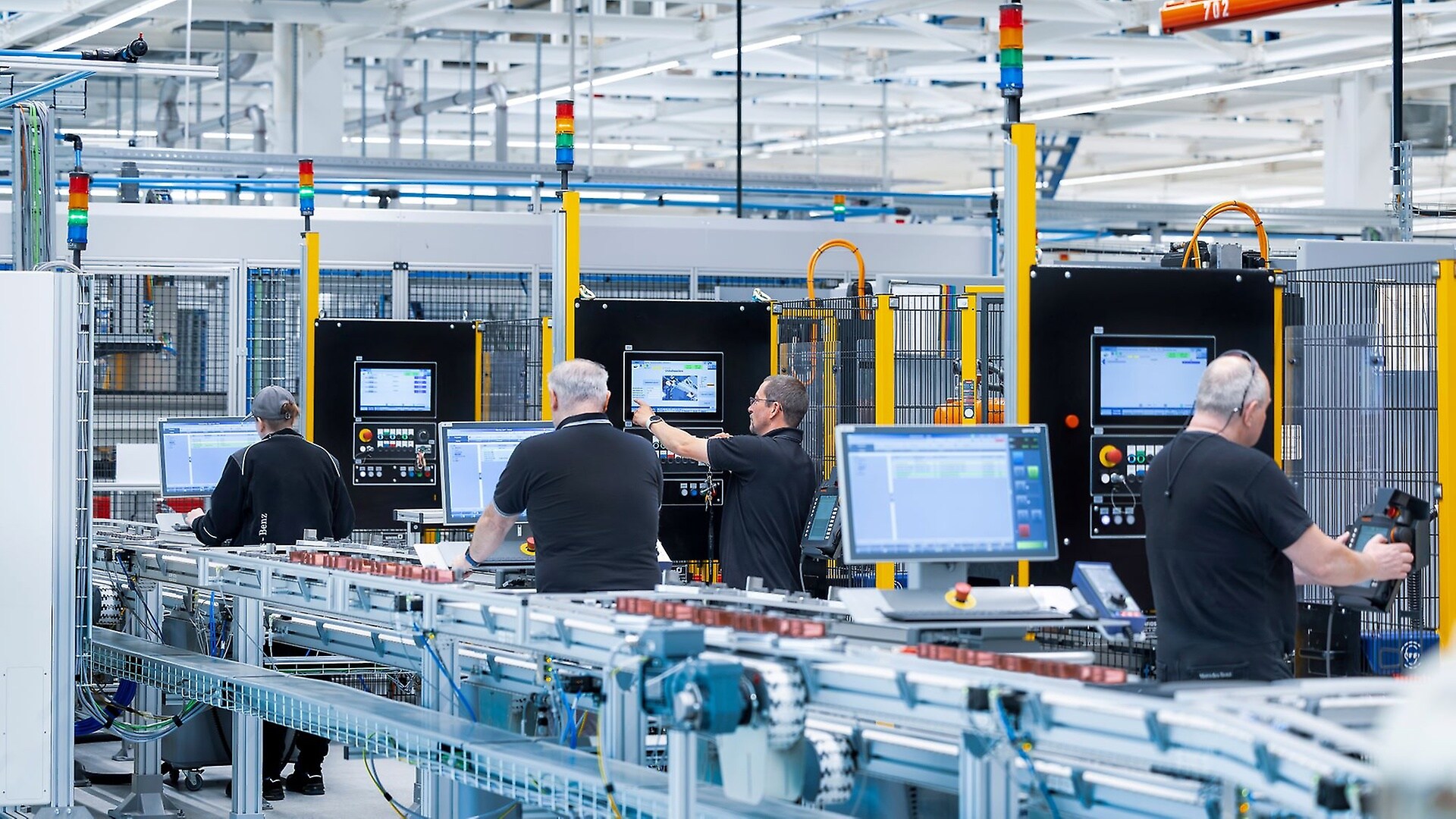
One of the most notable developments for Mercedes-Benz in 2026 is the start of large-scale production of next-generation axial flux electric motors at the Berlin-Marienfelde plant. This development shows that the German automotive industry is supporting the electric transformation not only with model launches, but also with production technologies.
Axial flux motor technology is seen as an important step, especially for high-performance electric vehicles. Its more compact structure, high power density and performance-oriented usage potential make this motor type particularly attractive for the electric performance models of the future.
Mercedes-Benz’s use of this technology in the performance segment shows that electric vehicles are not only silent, efficient and environmentally friendly alternatives. Electric powertrains also mean high performance, fast response and a new driving character.
The truly important point here is the transformation of a long-established production facility such as Berlin-Marienfelde for future electric motor technologies. This is a strong example showing how German automotive combines its traditional production strength with next-generation electric technologies.
Audi: premium long-distance driving culture continues
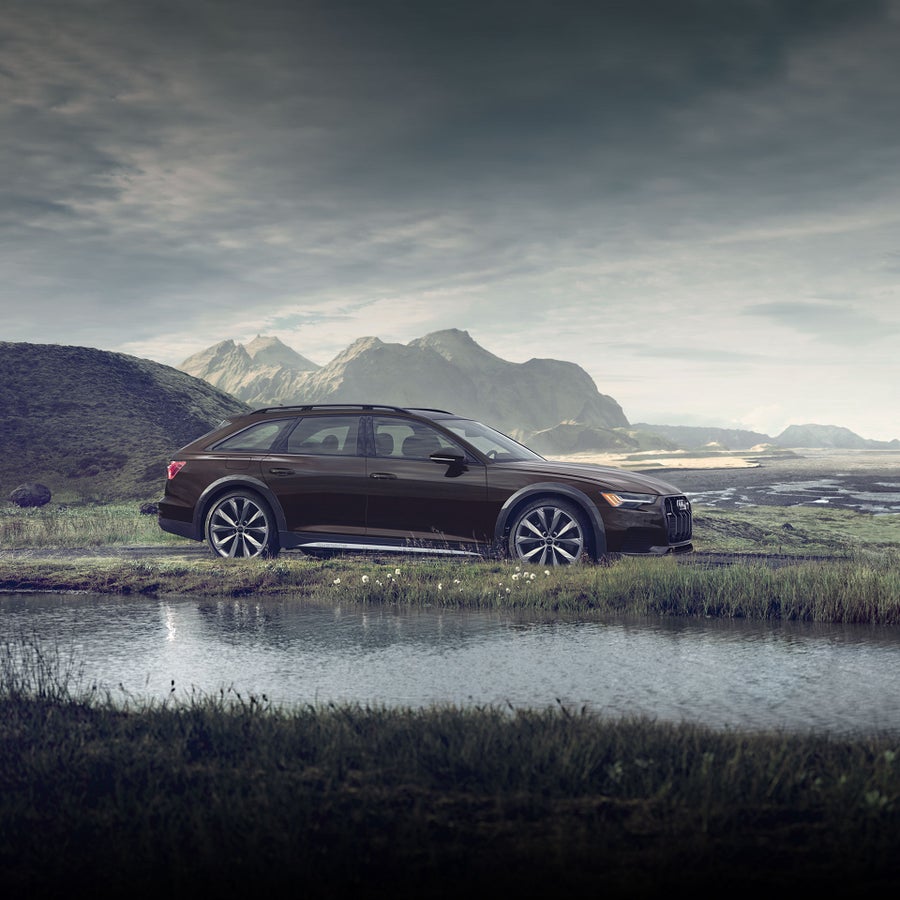
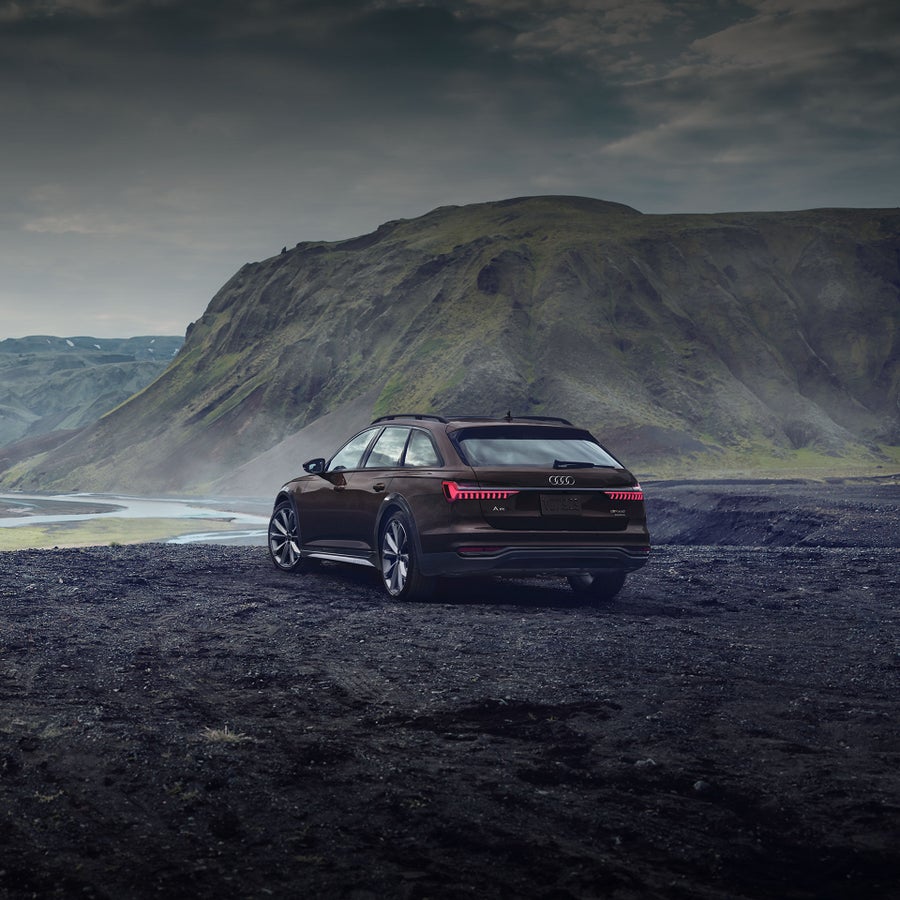
Audi continues to be one of the brands representing the premium long-distance character of German automotive in 2026. The new Audi A6 allroad is a striking example in this sense. With quattro all-wheel drive, adaptive air suspension, a wide body structure and a long-distance-oriented character, the A6 allroad shows that comfort, road holding and versatile usability remain strong expectations even in a period when electric transformation is rising.
At this point, it is important to see that the transformation in German automotive is not one-dimensional. Yes, electric vehicles are growing. Yes, software and battery technology are becoming more important. But not all users are switching to fully electric models at the same time. Especially for drivers who travel long distances, seek confidence on different road surfaces and care about premium comfort, classic body styles and advanced traction systems remain valuable.
The line Audi represents here can be read as a balance between technological transformation and traditional driving confidence. Models such as the A6 allroad are not just cars; they stand out as a current interpretation of long-distance travel culture, practicality and premium road experience.
Porsche: performance and fast charging in electric SUVs
For Porsche, electric transformation does not mean giving up performance. The Cayenne Electric shows that the brand approaches the electric SUV segment with high performance, advanced energy management and fast-charging technology.
Porsche’s 800-volt architecture and high-speed DC charging approach are especially important for long-distance use. In a large-bodied, performance-oriented electric SUV, a powerful motor alone is not enough. Battery capacity, charging time, thermal management, aerodynamic structure and route planning also directly affect the driving experience.
For this reason, Porsche’s electric SUV strategy can be considered a strong example of how the performance heritage in German automotive is being carried into the electric era. Electric vehicles may be silent, but that does not mean they have to be unexciting. Porsche is one of the brands working to change this perception.

Volkswagen: the goal of making electric mobility more accessible
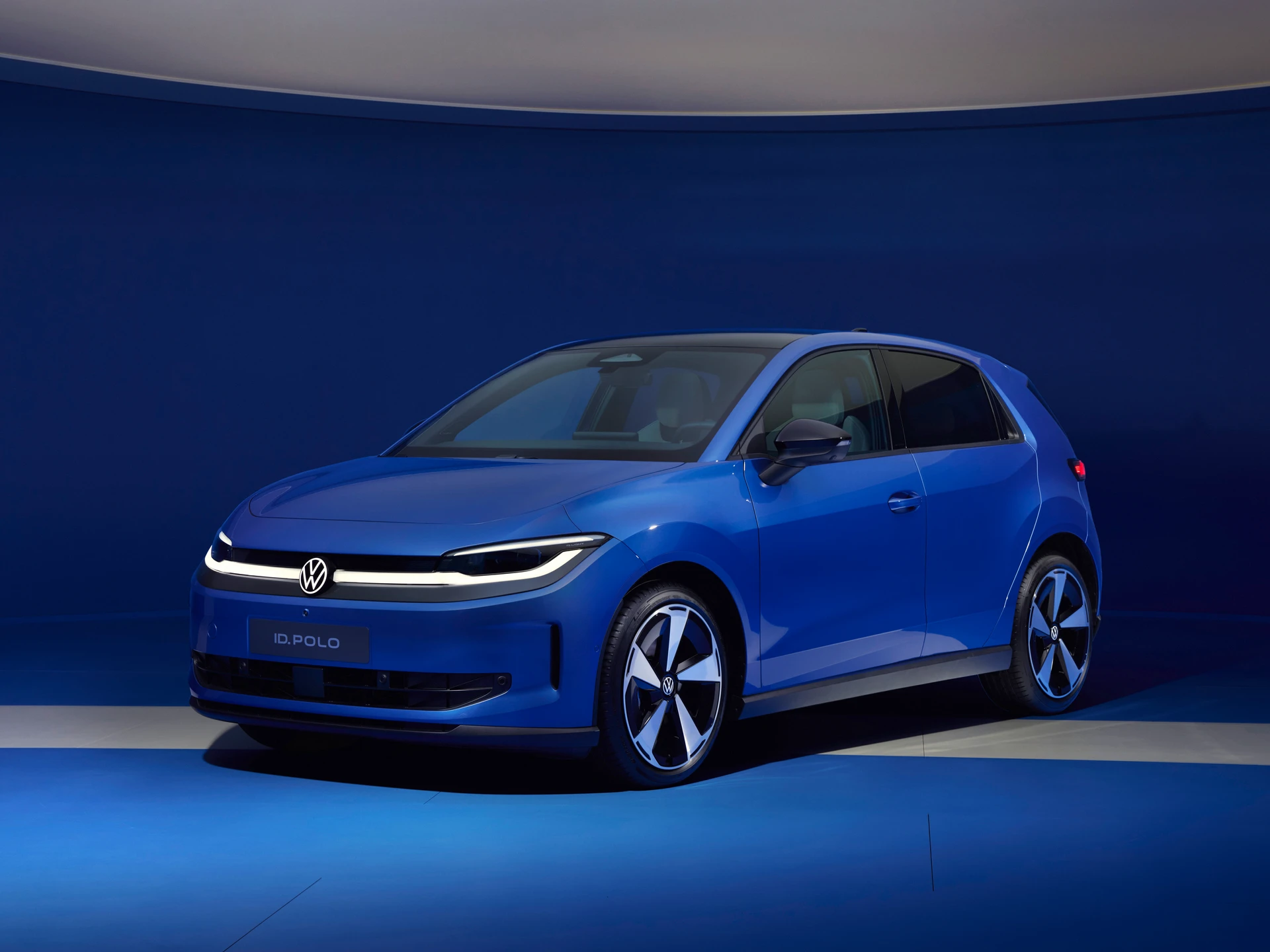
The ID. Polo holds an important place in Volkswagen’s 2026 agenda. Polo has long been known as one of the models that reaches a broad user base in Europe. For this reason, positioning the ID. Polo as an electric version shows that Volkswagen wants to grow electric mobility not only in the premium segment, but also in more accessible classes.
Luxury SUV models alone are not enough for electric cars to become widespread. Compact, economical, practical and reliable models suitable for daily city use need to gain a strong place in the market. Volkswagen’s ID. Polo approach answers exactly this need.
This development is also important for the European market. The real impact of electric transformation will emerge when it finds a place not only among upper-segment users, but also in the daily lives of a wider driving audience. More affordable, more compact and more usable electric models will be one of the main factors shaping the automotive market after 2026.
Opel: strong growth close to everyday use
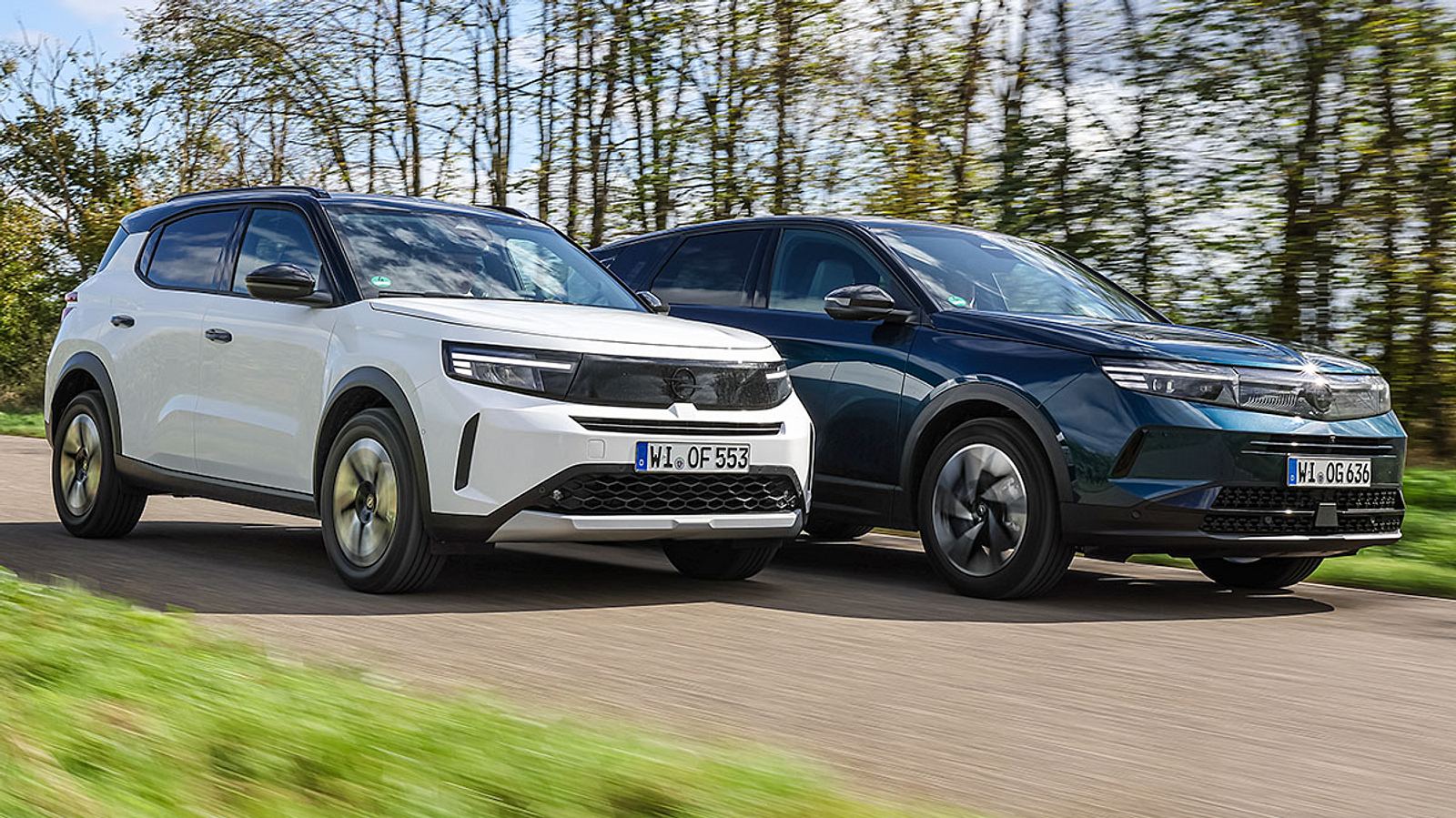
Opel was one of the brands that announced strong growth in Europe in the first quarter of 2026. The Corsa maintaining its strong position in markets such as Germany and the United Kingdom, together with the interest shown in SUV models such as Mokka, Frontera and Grandland, shows that the brand’s practical and accessible vehicle strategy still resonates with users.
The point Opel represents is very important: the 2026 story of German automotive is not being written only through luxury, performance or high technology. Vehicles that respond to everyday needs and appeal to families, urban users and drivers looking for economical solutions are also an important part of this transformation.
Users’ basic expectations remain the same: reliability, reasonable operating costs, practical interior space, easy service access and a feeling of confidence on the road. Brands such as Opel therefore offer an important example for understanding how automotive transformation spreads to wider audiences.
Why is software now so important in German automotive?
In 2026, the automobile is no longer a mechanical product made up only of an engine, transmission and body. Software has moved to the center of the vehicle experience. Charging planning, driver assistance systems, digital cockpits, wireless updates, route optimization and in-car personalization systems directly affect the user experience.
This change becomes even more apparent in electric vehicles. In an electric car, energy management, range estimation and charging planning are among the core parts of driving. The more advanced the vehicle’s software is, the fewer uncertainties the driver faces during long journeys.
BMW’s Neue Klasse approach, Mercedes-Benz’s production and digital factory investments, Volkswagen’s connected vehicle strategy and Porsche’s electric performance management show that software is no longer a separate feature in automotive, but a key element that defines the vehicle’s core character.
Technology is advancing, but road safety still requires physical preparedness
One of the strongest messages of German automotive in 2026 is this: vehicles are becoming smarter, quieter, more efficient and more connected. However, the basic risks that may be encountered on the road do not disappear completely. Tire problems, sudden weather changes, nighttime breakdowns, having to stop on the highway, minor accidents, loss of visibility or long-distance fatigue are still situations every driver may face.
This preparedness becomes even more important for electric vehicles. The density of charging points, air temperature, battery level, road gradient and vehicle load can affect the travel plan. Therefore, driving a modern BMW, Mercedes-Benz, Audi, Porsche, Volkswagen or Opel does not mean the driver can neglect basic safety preparation.
Safety equipment that should be kept in the vehicle before setting out on a long trip still matters greatly. A warning triangle, safety vest, first aid kit, flashlight, tow rope, emergency light and basic vehicle equipment are complementary items that should be available to the driver regardless of engine type.


German Kupfermax approach
For German Kupfermax, safe driving is not limited to fulfilling legal obligations. Safe driving means knowing the vehicle, setting out prepared, thinking about unexpected situations in advance and moving with the right equipment.
In 2026, the German automotive sector is entering a new era with electric transformation, high-performance motor technologies, digital cockpits and software-supported driving systems. Yet alongside all these developments, one reality remains unchanged: safety on the road comes not only from the vehicle’s technology, but also from the driver’s preparedness.
You may be driving a BMW, Mercedes-Benz, Audi, Opel, Porsche or Volkswagen. Your vehicle may be electric, hybrid or internal combustion. But the basic principle for safe travel is the same: check your vehicle before setting out, complete your safety equipment and begin every journey prepared.
German Kupfermax approaches modern vehicle ownership with this awareness. Cars change, technologies develop and brands enter new eras; but the value of a safe driving culture does not change.